Summary first:
-
A well-managed apartment building signals a smart rental market when it combines strong occupancy, flexible leasing terms, and amenities that match tenant demand.
-
Location near employment centers, walkable retail, and reliable transit access consistently supports steady rental income and lower vacancy risk.
-
Community features such as fitness centers, pet-friendly policies, and on-site maintenance response times are practical indicators of long-term property performance.
Renters and investors alike want to know what separates a dependable rental property from one that struggles to fill units. The short answer: occupancy stability, amenity relevance, and location fundamentals matter more than square footage or finishes alone.
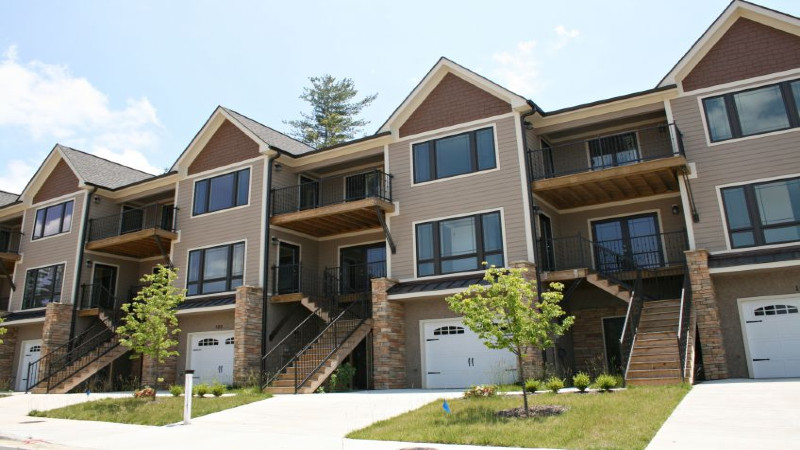
Anyone researching an Apartment Building in Louisville, KY is usually comparing more than rent price. They are weighing commute distance, lease flexibility, and whether the building’s amenities fit daily routines like fitness, pet ownership, or remote work.
What Makes a Rental Property Perform Well
Property performance is not just about curb appeal. Several measurable factors determine whether a building attracts and retains tenants over time.
-
Occupancy rate trends over multiple lease cycles, not just a single snapshot
-
Amenity mix that matches the surrounding renter demographic
-
Maintenance responsiveness and on-site management availability
-
Proximity to job centers, schools, and daily conveniences
According to the U.S. Census Bureau’s Housing Vacancy Survey, rental vacancy rates are tracked quarterly across metro areas, giving investors and renters a benchmark for comparing local market health against national averages. A building that consistently sits below the national vacancy average is generally signaling stronger tenant demand and better management practices.
Amenities That Signal Long-Term Value
Amenities are not just marketing extras. They reflect how a property positions itself for different renter lifestyles and can significantly influence retention rates.
Common features that renters prioritize include:
-
Fitness centers or on-site gyms for daily convenience
-
Pet-friendly policies, including designated outdoor space
-
Business centers or coworking areas for remote work
-
Swimming pools or outdoor gathering spaces
-
Secure package handling and controlled building access
Buildings that combine several of these features tend to appeal to a broader renter base, which supports steadier occupancy across seasons and lease terms.
Comparing Common Apartment Amenity Tiers
|
Amenity Tier |
Typical Features |
Renter Appeal |
|
Basic |
On-site laundry, parking |
Budget-conscious renters |
|
Mid-tier |
Fitness center, pool, pet policy |
Young professionals, small families |
|
Full-service |
Business center, controlled access, concierge-style management |
Long-term renters, remote workers |
This tiered comparison helps renters and investors understand why similar-sized buildings can command different rents depending on what the lease includes.
Location and Lease Structure Considerations
Location fundamentals remain one of the most consistent predictors of rental performance. Proximity to major employers, retail corridors, and transit options reduces commute friction, which directly affects tenant satisfaction and lease renewal rates.
Lease flexibility also matters more than it once did. Short-term and month-to-month options, when available, can widen the pool of qualified renters, particularly for those relocating for work or transitioning between housing situations.
-
Distance to major employment hubs
-
Walkability to grocery, dining, and retail
-
Access to public transit or major roadways
-
Availability of flexible lease terms
Together, these factors help explain why two buildings with similar square footage and pricing can perform very differently in occupancy and tenant retention.
Frequently Asked Questions
What features should renters prioritize when comparing apartment buildings? Renters generally benefit from focusing on occupancy stability, amenity relevance to their lifestyle, and proximity to work or transit, since these factors most directly affect day-to-day living experience and long-term satisfaction.
Do pet-friendly policies actually affect rental demand? Pet-friendly buildings tend to appeal to a wider renter pool, since many households include pets and prioritize properties with designated outdoor space and pet policies during their search.
How important is on-site maintenance response time? Maintenance responsiveness is a practical indicator of property management quality and can influence tenant satisfaction and lease renewal decisions more than cosmetic features.
Are flexible lease terms common in apartment buildings? Flexible lease terms vary by property, but buildings offering shorter or adjustable lease options often attract renters relocating for work or navigating temporary housing needs.
Choosing a rental property involves weighing occupancy history, amenity fit, and location fundamentals against personal or investment priorities. For those exploring local options, The Flats at Springhurst offers a community setting with amenities designed around daily renter needs, from fitness access to pet-friendly living. Evaluating these practical features, rather than surface-level finishes, remains the most reliable way to identify a rental property built for long-term satisfaction.